Master Your Personal Finances

Comprehensive guides on budgeting, saving, debt elimination, credit management, and building lasting financial security.

Budget Planning Mastery

A solid budget is the cornerstone of every successful financial plan. Learn the frameworks used by financial advisors and self-made millionaires alike.

Budget planning with calculator and financial documents on desk

The Three Most Effective Budgeting Systems

The 50/30/20 Rule
Needs: 50% | Wants: 30% | Savings & Debt: 20%
Zero-Based Budgeting
Every dollar assigned a specific purpose, income minus expenses equals zero
Envelope Budgeting
Divide cash into physical or digital envelopes by spending category

Get a Budget Plan

Proven Saving Strategies

Strategic saving goes far beyond simply spending less. Learn how to optimize every dollar and accelerate your path to financial security.

Savings account growth and money management
Beginner

Automate Your Savings for Consistent Growth

Set up automatic transfers to a high-yield savings account on payday. Paying yourself first removes the temptation to spend what you intended to save.

Learn More
High yield savings and compound interest calculation
Intermediate

High-Yield Savings Accounts vs. CDs

Earn significantly more on your savings by understanding the difference between HYSAs and certificates of deposit, and when each is most appropriate.

Learn More
Frugal living and smart spending habits
Advanced

The Art of Strategic Frugality

Frugality is not about deprivation — it is about directing money toward what matters most. Learn to distinguish between value spending and wasteful spending.

Learn More

Debt Management Strategies

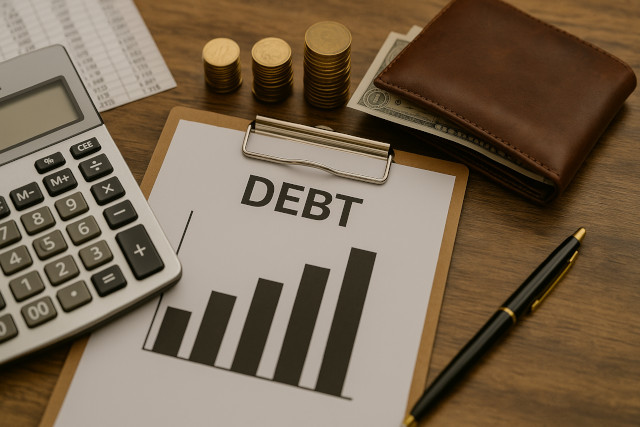
Debt management and financial freedom planning
Most Popular Strategy

Debt Avalanche vs. Debt Snowball

Two proven debt elimination strategies. The Avalanche method saves the most money by targeting highest-interest debt first. The Snowball method builds momentum by eliminating smallest balances first. Your personality determines which works better for you.

  • Debt Avalanche: Pay minimums on all, extra to highest rate
  • Debt Snowball: Pay minimums on all, extra to smallest balance
  • Debt Consolidation: Combine debts into a single lower-rate loan
  • Balance Transfer: Move high-interest credit card debt to 0% APR card
Create Debt Plan
Student loan and consumer debt management
Student Loans

Navigating Student Loan Repayment

Student loan debt is the second-largest consumer debt in America. Understand income-driven repayment plans, Public Service Loan Forgiveness, and refinancing strategies to minimize your burden.

  • Income-Driven Repayment (IDR) plans explained
  • When refinancing makes financial sense
  • PSLF eligibility requirements and timeline
Loan Strategies

Emergency Fund Essentials

An emergency fund is your financial firewall. Without it, any unexpected expense becomes a financial crisis.

Calculate Your Target

Multiply your monthly essential expenses by 3 to 6. A single income household should aim for 6 months; dual income can manage with 3 months.

Choose the Right Account

Keep emergency funds in a high-yield savings account — separate from checking to reduce temptation but accessible within 1-2 business days.

Build Consistently

Set up a recurring $50-$200 automatic transfer right after each paycheck. Consistency over months builds the fund faster than you expect.

Replenish After Use

After using emergency funds, immediately restart your automatic contributions to rebuild. Treat this as your highest financial priority until fully restored.

Emergency Fund Calculator (Static Preview)

Recommended Emergency Fund
$16,500
6 months of essential expenses

Credit Score Basics & Beyond

Your credit score impacts your interest rates, rental applications, insurance premiums, and even job prospects. Master it to unlock better opportunities.

What Makes Up Your Credit Score

Payment History 35%
Credit Utilization 30%
Length of Credit History 15%
Credit Mix 10%
New Credit Inquiries 10%
Credit score improvement and credit card management

Score Ranges & What They Mean

Score Range Rating Impact on Rates
800 - 850 Exceptional Best rates available
740 - 799 Very Good Near-best rates
670 - 739 Good Average market rates
580 - 669 Fair Higher rates
300 - 579 Poor Highest rates or denied

Family Finance Management

Managing finances as a household requires clear communication, shared goals, and coordinated strategies for income, expenses, and long-term planning.

Family financial planning and money management together

Teaching Kids About Money

Financial literacy starts at home. Learn age-appropriate ways to introduce children to earning, saving, spending, and giving as fundamental life skills.

Learn More
Couple discussing household budget and financial goals

Managing a Household Budget Together

Discover communication frameworks for couples to align on financial goals, combine finances effectively, and navigate money differences constructively.

Learn More
College savings plan and 529 account for children

College Savings: 529 Plans Explained

A 529 education savings plan offers tax-advantaged growth for college expenses. Learn contribution limits, investment options, and strategies to maximize benefits.

Learn More

Tax Planning Basics

Strategic tax planning is legal and essential. Understanding deductions, credits, and timing can save thousands of dollars annually.

01
Maximize Retirement Account Contributions
Contributing to 401(k) and IRA accounts reduces your taxable income dollar-for-dollar in the current year.
02
Claim All Available Deductions
Track charitable donations, business expenses, mortgage interest, and medical expenses throughout the year to maximize your deductions.
03
Tax-Loss Harvesting Strategy
Sell investments that have lost value to offset capital gains taxes on profitable investments, reducing your overall tax liability.

Financial Goal Setting

Goals without a plan are just wishes. Use the SMART framework to create financial goals that are specific, measurable, and achievable.

Short-Term (0-1 Year)
Build Emergency Fund & Budget

Establish your 3-month emergency fund, create a monthly budget, and eliminate one source of high-interest debt.

Medium-Term (1-5 Years)
Invest & Grow Net Worth

Start contributing to retirement accounts, save for a home down payment, and build a fully-funded 6-month emergency reserve.

Long-Term (5-30 Years)
Build Wealth & Financial Independence

Accumulate 25x annual expenses for retirement, own income-producing assets, and achieve financial independence from employment.

Start Your Personal Finance Journey Today

Access all our personal finance guides, calculators, and resources completely free. Financial freedom begins with a single informed decision.

Browse All Resources Ask an Expert